-
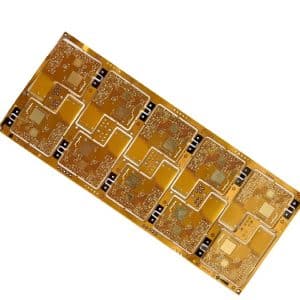
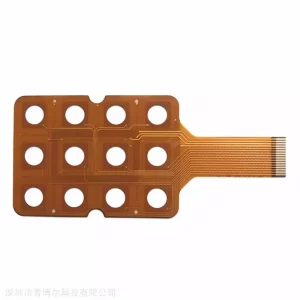
Flexible plate
Flexible plate
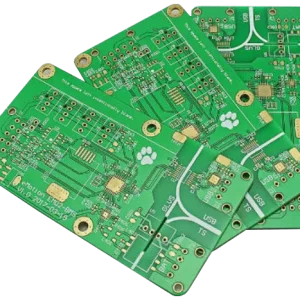
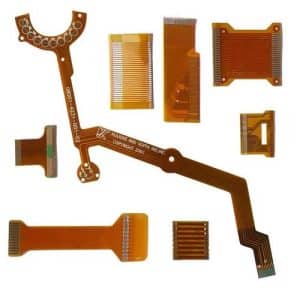
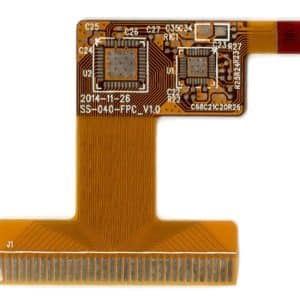
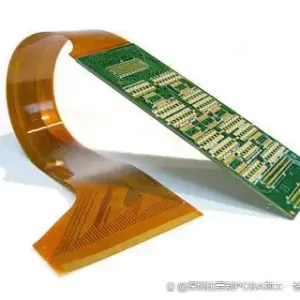
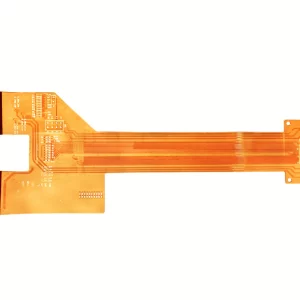
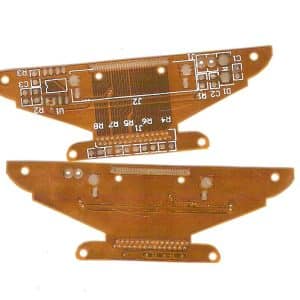
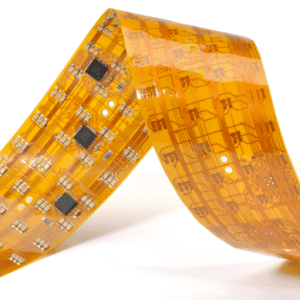
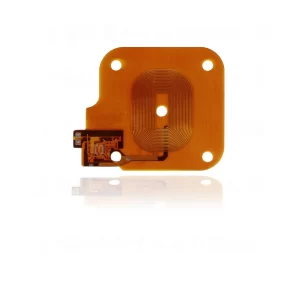
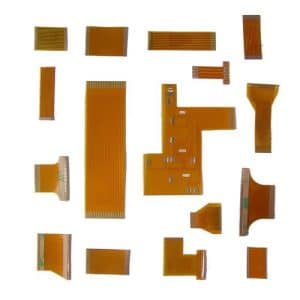
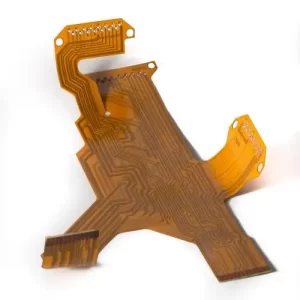
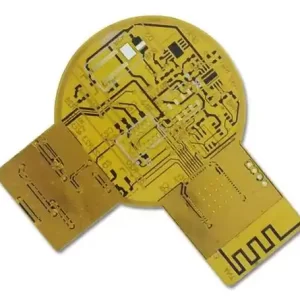
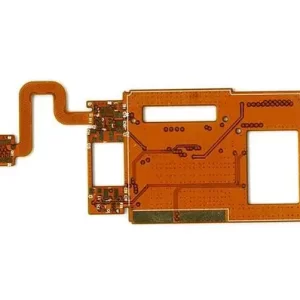
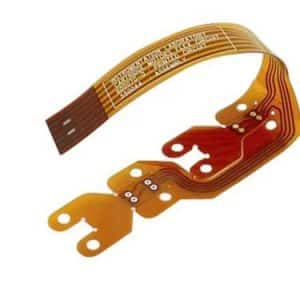
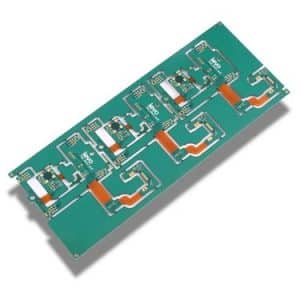
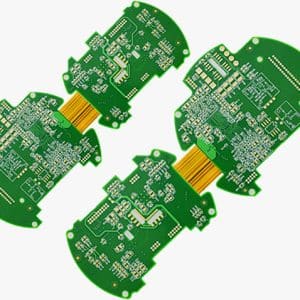
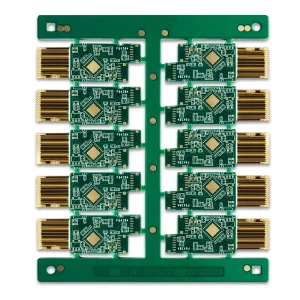
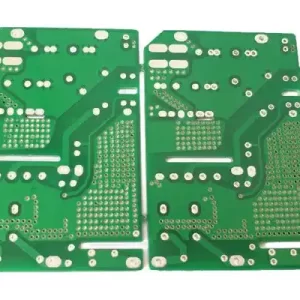
A Flexible PCB (FPC), also known as a Flex Circuit, is a type of printed circuit board that is designed to be bent, twisted, or folded without breaking. Unlike rigid PCBs, FPCs use flexible materials like polyimide (PI) or polyester (PET) instead of traditional FR4.
-
Multilayer board
Multilayer board
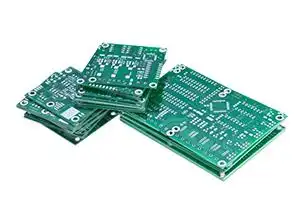
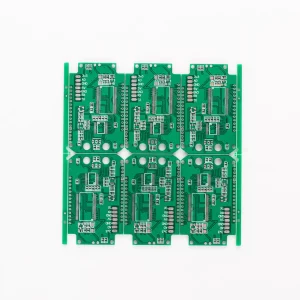
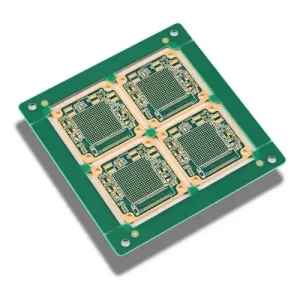
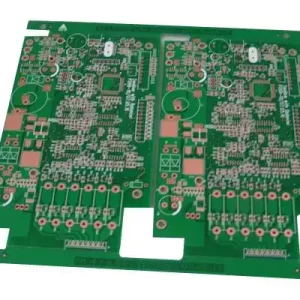
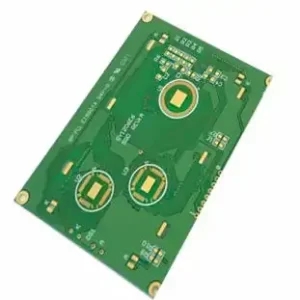
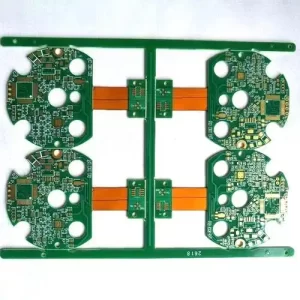
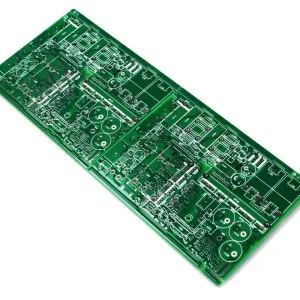
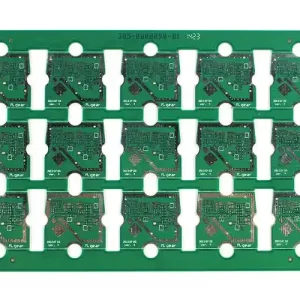
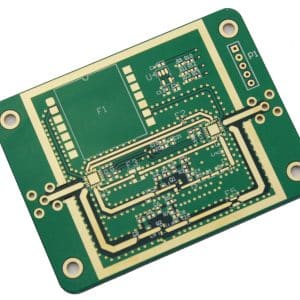
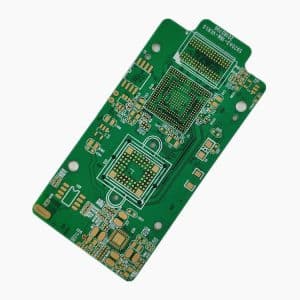
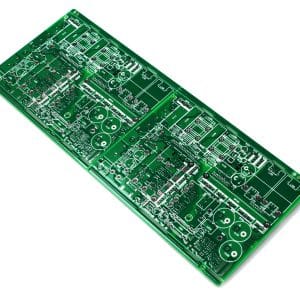
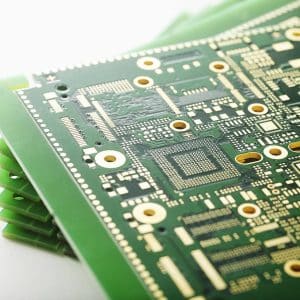
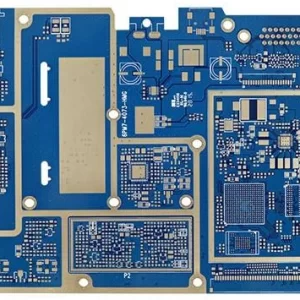
A Multi-Layer PCB is a printed circuit board with three or more copper layers stacked together with insulating layers in between. Unlike Single-Sided and Double-Layer PCBs, multi-layer PCBs allow for highly complex circuit designs by increasing routing space and reducing signal interference.
-
Multilayer board
Multilayer board
A Multi-Layer PCB is a printed circuit board with three or more copper layers stacked together with insulating layers in between. Unlike Single-Sided and Double-Layer PCBs, multi-layer PCBs allow for highly complex circuit designs by increasing routing space and reducing signal interference.
-
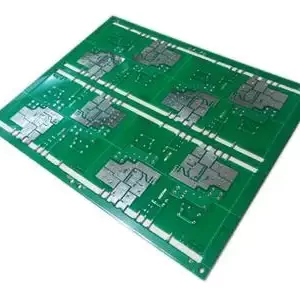
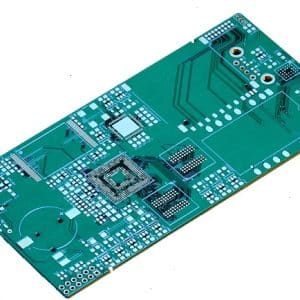
Dual panel
Dual panel
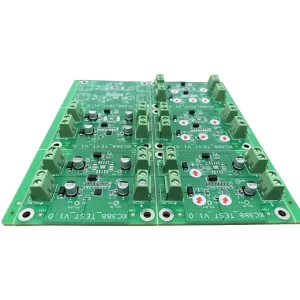
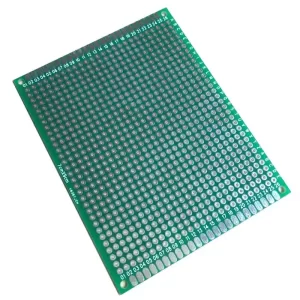
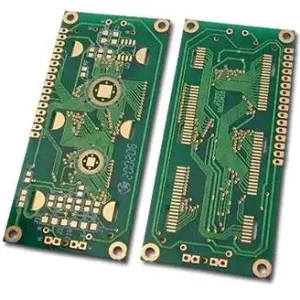
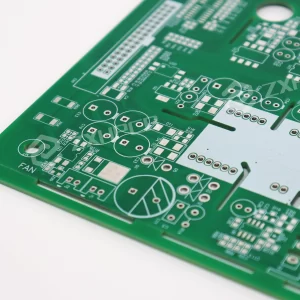
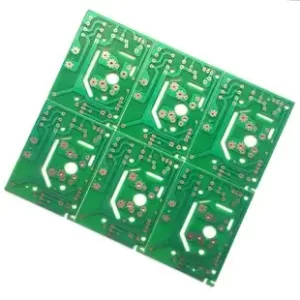
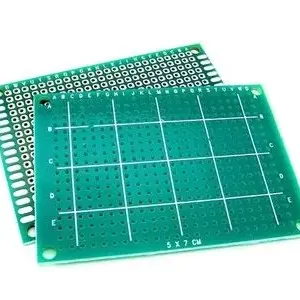
A Double-Layer PCB (Double-Sided PCB) is a type of printed circuit board that has copper traces on both sides of the board. Unlike Single-Sided PCBs, these boards allow for more complex circuits by using vias (plated-through holes) to connect the layers electrically.
-
Dual panel
Dual panel
A Double-Layer PCB (Double-Sided PCB) is a type of printed circuit board that has copper traces on both sides of the board. Unlike Single-Sided PCBs, these boards allow for more complex circuits by using vias (plated-through holes) to connect the layers electrically.
-
Dual panel
Dual panel
A Double-Layer PCB (Double-Sided PCB) is a type of printed circuit board that has copper traces on both sides of the board. Unlike Single-Sided PCBs, these boards allow for more complex circuits by using vias (plated-through holes) to connect the layers electrically.
-
Dual panel
Dual panel
A Double-Layer PCB (Double-Sided PCB) is a type of printed circuit board that has copper traces on both sides of the board. Unlike Single-Sided PCBs, these boards allow for more complex circuits by using vias (plated-through holes) to connect the layers electrically.
-
Dual panel
Dual panel
A Double-Layer PCB (Double-Sided PCB) is a type of printed circuit board that has copper traces on both sides of the board. Unlike Single-Sided PCBs, these boards allow for more complex circuits by using vias (plated-through holes) to connect the layers electrically.
-
Dual panel
Dual panel
A Double-Layer PCB (Double-Sided PCB) is a type of printed circuit board that has copper traces on both sides of the board. Unlike Single-Sided PCBs, these boards allow for more complex circuits by using vias (plated-through holes) to connect the layers electrically.
-
Dual panel
Dual panel
A Double-Layer PCB (Double-Sided PCB) is a type of printed circuit board that has copper traces on both sides of the board. Unlike Single-Sided PCBs, these boards allow for more complex circuits by using vias (plated-through holes) to connect the layers electrically.
-
Dual panel
Dual panel
A Double-Layer PCB (Double-Sided PCB) is a type of printed circuit board that has copper traces on both sides of the board. Unlike Single-Sided PCBs, these boards allow for more complex circuits by using vias (plated-through holes) to connect the layers electrically.
-
Dual panel
Dual panel
A Double-Layer PCB (Double-Sided PCB) is a type of printed circuit board that has copper traces on both sides of the board. Unlike Single-Sided PCBs, these boards allow for more complex circuits by using vias (plated-through holes) to connect the layers electrically.
-
Dual panel
Dual panel
A Double-Layer PCB (Double-Sided PCB) is a type of printed circuit board that has copper traces on both sides of the board. Unlike Single-Sided PCBs, these boards allow for more complex circuits by using vias (plated-through holes) to connect the layers electrically.
-
Flexible plate
Flexible plate
A Flexible PCB (FPC), also known as a Flex Circuit, is a type of printed circuit board that is designed to be bent, twisted, or folded without breaking. Unlike rigid PCBs, FPCs use flexible materials like polyimide (PI) or polyester (PET) instead of traditional FR4.
-
Flexible plate
Flexible plate
A Flexible PCB (FPC), also known as a Flex Circuit, is a type of printed circuit board that is designed to be bent, twisted, or folded without breaking. Unlike rigid PCBs, FPCs use flexible materials like polyimide (PI) or polyester (PET) instead of traditional FR4.
-
Flexible plate
Flexible plate
A Flexible PCB (FPC), also known as a Flex Circuit, is a type of printed circuit board that is designed to be bent, twisted, or folded without breaking. Unlike rigid PCBs, FPCs use flexible materials like polyimide (PI) or polyester (PET) instead of traditional FR4.
-
Flexible plate
Flexible plate
A Flexible PCB (FPC), also known as a Flex Circuit, is a type of printed circuit board that is designed to be bent, twisted, or folded without breaking. Unlike rigid PCBs, FPCs use flexible materials like polyimide (PI) or polyester (PET) instead of traditional FR4.
-
Flexible plate
Flexible plate
A Flexible PCB (FPC), also known as a Flex Circuit, is a type of printed circuit board that is designed to be bent, twisted, or folded without breaking. Unlike rigid PCBs, FPCs use flexible materials like polyimide (PI) or polyester (PET) instead of traditional FR4.
-
Flexible plate
Flexible plate
A Flexible PCB (FPC), also known as a Flex Circuit, is a type of printed circuit board that is designed to be bent, twisted, or folded without breaking. Unlike rigid PCBs, FPCs use flexible materials like polyimide (PI) or polyester (PET) instead of traditional FR4.
-
Flexible plate
Flexible plate
A Flexible PCB (FPC), also known as a Flex Circuit, is a type of printed circuit board that is designed to be bent, twisted, or folded without breaking. Unlike rigid PCBs, FPCs use flexible materials like polyimide (PI) or polyester (PET) instead of traditional FR4.
-
Flexible plate
Flexible plate
A Flexible PCB (FPC), also known as a Flex Circuit, is a type of printed circuit board that is designed to be bent, twisted, or folded without breaking. Unlike rigid PCBs, FPCs use flexible materials like polyimide (PI) or polyester (PET) instead of traditional FR4.
-
Flexible plate
Flexible plate
A Flexible PCB (FPC), also known as a Flex Circuit, is a type of printed circuit board that is designed to be bent, twisted, or folded without breaking. Unlike rigid PCBs, FPCs use flexible materials like polyimide (PI) or polyester (PET) instead of traditional FR4.
-
Flexible plate
Flexible plate
A Flexible PCB (FPC), also known as a Flex Circuit, is a type of printed circuit board that is designed to be bent, twisted, or folded without breaking. Unlike rigid PCBs, FPCs use flexible materials like polyimide (PI) or polyester (PET) instead of traditional FR4.
-
Flexible plate
Flexible plate
A Flexible PCB (FPC), also known as a Flex Circuit, is a type of printed circuit board that is designed to be bent, twisted, or folded without breaking. Unlike rigid PCBs, FPCs use flexible materials like polyimide (PI) or polyester (PET) instead of traditional FR4.
-
Flexible plate
Flexible plate
A Flexible PCB (FPC), also known as a Flex Circuit, is a type of printed circuit board that is designed to be bent, twisted, or folded without breaking. Unlike rigid PCBs, FPCs use flexible materials like polyimide (PI) or polyester (PET) instead of traditional FR4.
-
Flexible plate
Flexible plate
A Flexible PCB (FPC), also known as a Flex Circuit, is a type of printed circuit board that is designed to be bent, twisted, or folded without breaking. Unlike rigid PCBs, FPCs use flexible materials like polyimide (PI) or polyester (PET) instead of traditional FR4.
-
Multilayer board
Multilayer board
A Multi-Layer PCB is a printed circuit board with three or more copper layers stacked together with insulating layers in between. Unlike Single-Sided and Double-Layer PCBs, multi-layer PCBs allow for highly complex circuit designs by increasing routing space and reducing signal interference.
-
Multilayer board
Multilayer board
A Multi-Layer PCB is a printed circuit board with three or more copper layers stacked together with insulating layers in between. Unlike Single-Sided and Double-Layer PCBs, multi-layer PCBs allow for highly complex circuit designs by increasing routing space and reducing signal interference.
-
Multilayer board
Multilayer board
A Multi-Layer PCB is a printed circuit board with three or more copper layers stacked together with insulating layers in between. Unlike Single-Sided and Double-Layer PCBs, multi-layer PCBs allow for highly complex circuit designs by increasing routing space and reducing signal interference.
-
Multilayer board
Multilayer board
A Multi-Layer PCB is a printed circuit board with three or more copper layers stacked together with insulating layers in between. Unlike Single-Sided and Double-Layer PCBs, multi-layer PCBs allow for highly complex circuit designs by increasing routing space and reducing signal interference.
-
Multilayer board
Multilayer board
A Multi-Layer PCB is a printed circuit board with three or more copper layers stacked together with insulating layers in between. Unlike Single-Sided and Double-Layer PCBs, multi-layer PCBs allow for highly complex circuit designs by increasing routing space and reducing signal interference.
-
Multilayer board
Multilayer board
A Multi-Layer PCB is a printed circuit board with three or more copper layers stacked together with insulating layers in between. Unlike Single-Sided and Double-Layer PCBs, multi-layer PCBs allow for highly complex circuit designs by increasing routing space and reducing signal interference.
-
Multilayer board
Multilayer board
A Multi-Layer PCB is a printed circuit board with three or more copper layers stacked together with insulating layers in between. Unlike Single-Sided and Double-Layer PCBs, multi-layer PCBs allow for highly complex circuit designs by increasing routing space and reducing signal interference.
-
Multilayer board
Multilayer board
A Multi-Layer PCB is a printed circuit board with three or more copper layers stacked together with insulating layers in between. Unlike Single-Sided and Double-Layer PCBs, multi-layer PCBs allow for highly complex circuit designs by increasing routing space and reducing signal interference.
-
Multilayer board
Multilayer board
A Multi-Layer PCB is a printed circuit board with three or more copper layers stacked together with insulating layers in between. Unlike Single-Sided and Double-Layer PCBs, multi-layer PCBs allow for highly complex circuit designs by increasing routing space and reducing signal interference.
-
Multilayer board
Multilayer board
A Multi-Layer PCB is a printed circuit board with three or more copper layers stacked together with insulating layers in between. Unlike Single-Sided and Double-Layer PCBs, multi-layer PCBs allow for highly complex circuit designs by increasing routing space and reducing signal interference.
-
Multilayer board
Multilayer board
A Multi-Layer PCB is a printed circuit board with three or more copper layers stacked together with insulating layers in between. Unlike Single-Sided and Double-Layer PCBs, multi-layer PCBs allow for highly complex circuit designs by increasing routing space and reducing signal interference.
-
Multilayer board
Multilayer board
A Multi-Layer PCB is a printed circuit board with three or more copper layers stacked together with insulating layers in between. Unlike Single-Sided and Double-Layer PCBs, multi-layer PCBs allow for highly complex circuit designs by increasing routing space and reducing signal interference.
-
Multilayer board
Multilayer board
A Multi-Layer PCB is a printed circuit board with three or more copper layers stacked together with insulating layers in between. Unlike Single-Sided and Double-Layer PCBs, multi-layer PCBs allow for highly complex circuit designs by increasing routing space and reducing signal interference.
-
Multilayer board
Multilayer board
A Multi-Layer PCB is a printed circuit board with three or more copper layers stacked together with insulating layers in between. Unlike Single-Sided and Double-Layer PCBs, multi-layer PCBs allow for highly complex circuit designs by increasing routing space and reducing signal interference.
-
Single layer board
Single layer board
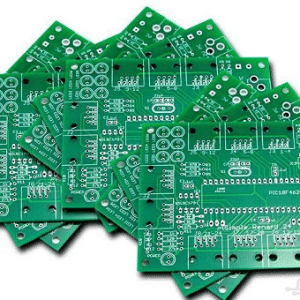
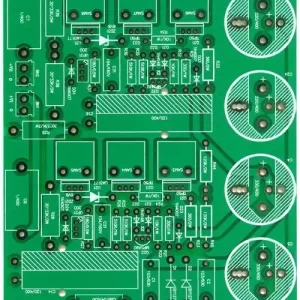
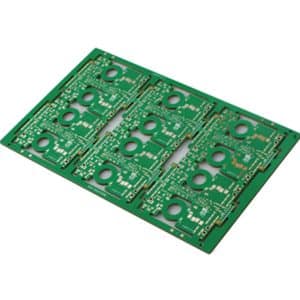
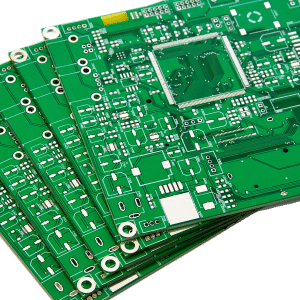
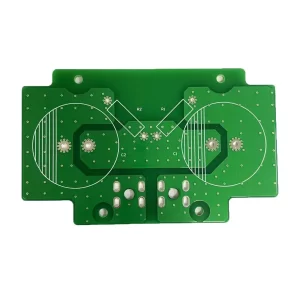
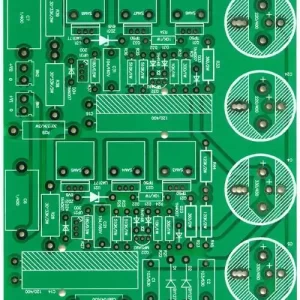
A Single Sided PCB (Printed Circuit Board) is a type of PCB that has copper traces on only one side of the board, while the other side is used for mounting electronic components. It is the simplest and most cost-effective type of PCB, making it widely used in basic electronic circuits and low-cost applications.
-
Single layer board
Single layer board
A Single Sided PCB (Printed Circuit Board) is a type of PCB that has copper traces on only one side of the board, while the other side is used for mounting electronic components. It is the simplest and most cost-effective type of PCB, making it widely used in basic electronic circuits and low-cost applications.
-
Single layer board
Single layer board
A Single Sided PCB (Printed Circuit Board) is a type of PCB that has copper traces on only one side of the board, while the other side is used for mounting electronic components. It is the simplest and most cost-effective type of PCB, making it widely used in basic electronic circuits and low-cost applications.
-
Single layer board
Single layer board
A Single Sided PCB (Printed Circuit Board) is a type of PCB that has copper traces on only one side of the board, while the other side is used for mounting electronic components. It is the simplest and most cost-effective type of PCB, making it widely used in basic electronic circuits and low-cost applications.
-
Single layer board
Single layer board
A Single Sided PCB (Printed Circuit Board) is a type of PCB that has copper traces on only one side of the board, while the other side is used for mounting electronic components. It is the simplest and most cost-effective type of PCB, making it widely used in basic electronic circuits and low-cost applications.
-
Single layer board
Single layer board
A Single Sided PCB (Printed Circuit Board) is a type of PCB that has copper traces on only one side of the board, while the other side is used for mounting electronic components. It is the simplest and most cost-effective type of PCB, making it widely used in basic electronic circuits and low-cost applications.
-
Single layer board
Single layer board
A Single Sided PCB (Printed Circuit Board) is a type of PCB that has copper traces on only one side of the board, while the other side is used for mounting electronic components. It is the simplest and most cost-effective type of PCB, making it widely used in basic electronic circuits and low-cost applications.
-
Single layer board
Single layer board
A Single Sided PCB (Printed Circuit Board) is a type of PCB that has copper traces on only one side of the board, while the other side is used for mounting electronic components. It is the simplest and most cost-effective type of PCB, making it widely used in basic electronic circuits and low-cost applications.
-
Single layer board
Single layer board
A Single Sided PCB (Printed Circuit Board) is a type of PCB that has copper traces on only one side of the board, while the other side is used for mounting electronic components. It is the simplest and most cost-effective type of PCB, making it widely used in basic electronic circuits and low-cost applications.
-
Single layer board
Single layer board
A Single Sided PCB (Printed Circuit Board) is a type of PCB that has copper traces on only one side of the board, while the other side is used for mounting electronic components. It is the simplest and most cost-effective type of PCB, making it widely used in basic electronic circuits and low-cost applications.
-
Single layer board
Single layer board
A Single Sided PCB (Printed Circuit Board) is a type of PCB that has copper traces on only one side of the board, while the other side is used for mounting electronic components. It is the simplest and most cost-effective type of PCB, making it widely used in basic electronic circuits and low-cost applications.
-
Single layer board
Single layer board
A Single Sided PCB (Printed Circuit Board) is a type of PCB that has copper traces on only one side of the board, while the other side is used for mounting electronic components. It is the simplest and most cost-effective type of PCB, making it widely used in basic electronic circuits and low-cost applications.
-
Single layer board
Single layer board
A Single Sided PCB (Printed Circuit Board) is a type of PCB that has copper traces on only one side of the board, while the other side is used for mounting electronic components. It is the simplest and most cost-effective type of PCB, making it widely used in basic electronic circuits and low-cost applications.
-
Single layer board
Single layer board
A Single Sided PCB (Printed Circuit Board) is a type of PCB that has copper traces on only one side of the board, while the other side is used for mounting electronic components. It is the simplest and most cost-effective type of PCB, making it widely used in basic electronic circuits and low-cost applications.
-
Single layer board
Single layer board
A Single Sided PCB (Printed Circuit Board) is a type of PCB that has copper traces on only one side of the board, while the other side is used for mounting electronic components. It is the simplest and most cost-effective type of PCB, making it widely used in basic electronic circuits and low-cost applications.
-
Single layer board
Single layer board
A Single Sided PCB (Printed Circuit Board) is a type of PCB that has copper traces on only one side of the board, while the other side is used for mounting electronic components. It is the simplest and most cost-effective type of PCB, making it widely used in basic electronic circuits and low-cost applications.
-
Single layer board
Single layer board
A Single Sided PCB (Printed Circuit Board) is a type of PCB that has copper traces on only one side of the board, while the other side is used for mounting electronic components. It is the simplest and most cost-effective type of PCB, making it widely used in basic electronic circuits and low-cost applications.
-
Single layer board
Single layer board
A Single Sided PCB (Printed Circuit Board) is a type of PCB that has copper traces on only one side of the board, while the other side is used for mounting electronic components. It is the simplest and most cost-effective type of PCB, making it widely used in basic electronic circuits and low-cost applications.
-
Single layer board
Single layer board
A Single Sided PCB (Printed Circuit Board) is a type of PCB that has copper traces on only one side of the board, while the other side is used for mounting electronic components. It is the simplest and most cost-effective type of PCB, making it widely used in basic electronic circuits and low-cost applications.