A flexible pcb can bend and change shape. This is different from regular circuit boards. This new way helps make small, light electronics. It saves space in things like smartwatches. It also helps in new car systems. The market for flexible printed circuits is growing fast. It is expected to grow by 12.52% each year. This will happen from 2024 to 2032. This article talks about the good and bad things. It is about flexible printed circuit boards. It helps people know how to use them. It also shows what they cannot do. This is for designing electronic pcbs.
Key Takeaways
Flexible PCBs bend and save space. They make devices smaller and lighter. This is good for smartwatches and foldable phones.
Flexible PCBs are strong and reliable. They handle movement and shaking well. This makes them last longer in tough places.
Flexible PCBs cost more to make at first. Their design is also harder. This needs special tools and skills.
Flexible PCBs are not for high power. Their thin wires can get too hot. Engineers must plan carefully for safe use.
Flexible PCBs are in many new devices. They are in wearables, medical tools, and cars. They help make new electronics possible.
Advantages of Flexible PCBs
Space and Weight Efficiency
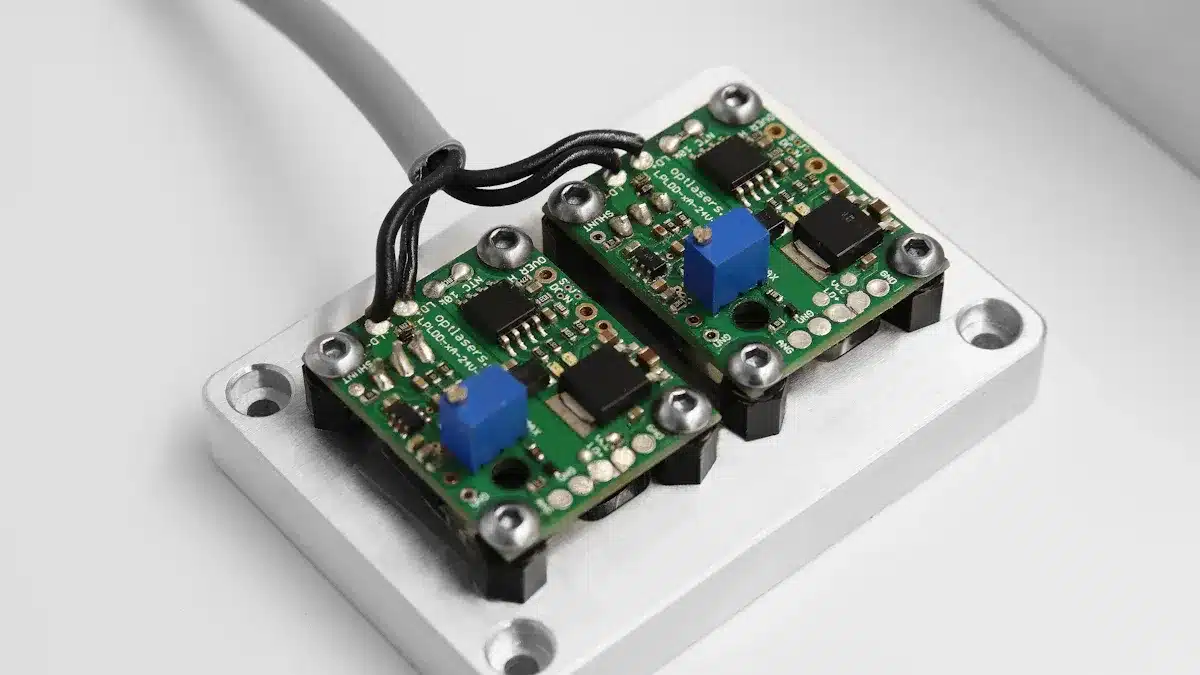
Flexible PCBs save space and weight. They are lighter than rigid boards. Rigid boards are thick and strong. This makes them heavy. Flexible PCBs are good for small, light electronics. They make devices easier to carry. Flexible parts in rigid-flex boards can cut size and weight by 90%. This is better than old wired systems. This makes products much smaller and lighter. This is great for portable devices. Saving space and weight is a main benefit. It is very important for new gadgets.
Flexibility for Complex Designs
Flexible printed circuit boards allow complex designs. They can bend into odd shapes. Rigid boards cannot do this. Wearable devices need small, comfy shapes. Smartwatches and fitness trackers are examples. They must fit the body. Rigid boards cannot do this. Flexible PCBs make round or oval shapes possible. They also allow many parts in a small area. Medical endoscopes show this. A flexible pcb helps an endoscope fit a 10mm tube. A rigid board needs a 20mm tube. This shows they fit tight spots. Foldable phones use these boards. These boards use polyimide. They can bend over 100,000 times. This is good for moving applications. Hinges in foldable devices use them. Car dashboards also use them. They wrap around curved parts. This gives 3D shapes for complex interiors. This flexibility enables compact designs.
Enhanced Reliability and Durability
Flexible PCBs are more reliable and strong. They replace old wires and connectors. These old parts often break. This happens from shaking or moving. Flexible circuits use fewer solder joints. Fewer joints mean fewer breaks. This makes the electronic part more reliable. The flexible material can bend many times. It can also handle shaking. This makes them tough in moving places. This is key where things move a lot.
Improved Thermal Management
Flexible PCB layouts help cool things. They do this in small electronics. These layouts have more surface area. This is compared to rigid boards. This helps spread out heat well. This keeps parts cool. Good heat control makes devices last longer. It also makes them work steadily.
Simplified Assembly
Flexible PCBs make putting things together easier. They can replace many rigid boards. They also replace their wires. This means fewer parts are needed. It also means fewer wiring mistakes. Makers can put flexible circuits together first. Then they can just fold them. This makes production faster. It also lowers labor costs. The high density of electrical connections on a flexible circuit allows for complex wiring in a small area. Multi-layer flexible circuits make this even better. This makes putting together complex printed circuit boards much easier.
Disadvantages of Flexible PCBs
Higher Initial Costs
Flexible PCBs cost more at first. Making a flexible pcb is pricier. It costs more than a stiff one. This is true for hard designs. Making flexible PCBs costs $0.50 to $15.00 per square inch. This is 2 to 5 times more. It is more than stiff designs. Design costs for flexible PCBs are also higher. They are 50-100% more. This is compared to stiff designs. Special materials like polyimide add to these costs. The special ways they are made also add to the cost.
Design Complexity
Making flexible PCBs is hard. Engineers need special computer tools. These tools are not for stiff PCBs.
Software helps define layers. It has bend areas. It has rules for regions. This is in a 2D/3D space. This is harder than stiff PCB layers.
Tools have a ‘bend area’ drawing tool. This shows where bending happens. This is only for flexible designs.
Special ways to route wires are needed. They follow a curved board edge. They add signals using arcs. This is not needed for stiff PCBs.
Software to figure out bend radius is key. It stops wires from cracking. It stops layers from separating. This is not a worry for stiff PCBs.
Pro tools for complex rigid-flex have multi-zone layer control. This is not standard for stiff PCBs.
Bending simulations let engineers test flexible PCBs. They see how they bend. This finds weak spots early. This is only for flexible designs.
Material lists have properties. These include how much electricity passes through. They also show how strong materials are. These are for flexible materials. They help match materials to design needs. This makes them reliable.
3D views and tests help model bending. They show folding and putting parts together. This finds weak spots. It is vital for flexible PCBs. It is less vital for stiff ones.
DFM checks are for flex PCBs. They make sure designs meet making limits. These are for flexible circuits. These limits are different. They are different from stiff PCB needs. This harder design takes more time. It needs more skill.
Handling Fragility
Flexible PCBs are easy to break. This is true when handling them. It is true when putting them together. Their bendy nature makes them easy to harm.
Flex PCB soldering problems are serious. These happen because flex boards are delicate.
Cold solder joints happen. Solder does not fully melt. This makes weak connections.
Solder bridges happen. Too much solder makes unwanted connections. This causes short circuits.
Lifted pads happen. Too much heat or force pulls copper pads off. This breaks connections.
Parts on flex boards often do not line up. The board’s flexibility makes parts move.
Board bending during handling can move parts.
Wrong placement during assembly causes errors.
Uneven heat during soldering can shift parts. This happens if they are not held tight.
Solder joint reliability on flex PCBs is key. It is key for long use. This is true under stress.
Bending many times can crack solder joints.
Changing temperatures can cause parts to grow and shrink. This can crack joints.
Different materials can cause stress points.
Limited Current Capacity
Flexible PCBs have limits. They are not for high-current uses. Their thinner wires limit current. They cannot carry much current safely. High currents can make them too hot. This makes them work worse. It can even break them. Engineers must check wire width. They must check material properties. They must make sure the flexible printed circuit can handle the current. It must do this without problems.
Repair Challenges
Fixing broken flexible PCBs is hard. The materials are delicate. This makes repairs complex.
Challenge | Description | Repair Technique(s) |
|---|---|---|
Broken Traces | Wires break. This is from force or bending. | Use conductive glue (for low current). Or use thin wire/copper tape (for strong repair). |
Trace Cracking | Tiny cracks happen. This is from bad design. It is from stress or bending. This causes signals to stop working sometimes. | Prevent this with rounded corners. Do not bend in wire areas. Add strain relief. Handle with care. Pick good materials. |
Improper Trace Width | Wires are too thin for current. This causes overheating. Or they are too wide for space. | Design with right wire width. This is for current and impedance. Use online calculators for help. |
Delamination | PCB layers separate. This is under stress. It harms wires. It makes them less strong. | No direct repair for this. But careful handling and material choice can stop it. |
Heat Sensitivity | Flex PCB materials are harmed by high heat. This is during repair. | Use low-heat soldering tools (below 300°C). Practice on scrap material. |
Protection of Repairs | Fixed areas need protection. This is from weather and force. | Cover fixed areas with Kapton tape. Or use conformal coating. |
Flexible materials are sensitive to heat. This makes normal soldering risky. Special tools and methods are often needed. This makes repairs take longer. It also makes them cost more. |
Flexible vs. Rigid PCBs: Choosing the Right Solution
Cost-Benefit Analysis
Picking a flexible pcb or a rigid pcb means looking at costs. It also means looking at benefits. Rigid printed circuit boards cost less for simple things. They do not need to bend. Making them is known and cheaper. Flexible PCBs cost more at first. This is because of special stuff. It is also because making them is hard. But, flexible PCBs can make putting things together cheaper. This is true for complex devices. They use fewer connectors and wires. This makes building the product easier.
Performance and Environment
The place and how well it works help choose. Rigid PCBs hold heavy parts well. They work great in steady places. Flexible PCBs are best where things move a lot. They can handle big bumps and shakes. They also work well with changing heat. This makes them good for tough uses. They keep working even when they bend or move.
Design and Manufacturing Constraints
Making a flexible printed circuit has special rules. Engineers must keep wires wide apart. They must keep them as wide as possible. They make wires with round corners. They do not use sharp 90-degree turns. This stops damage when bending. They also do not put vias where it bends. This makes them last longer. For rigid-flex designs, engineers are very careful. They line up layers very well. They also use special materials when joining layers. This stops layers from coming apart. These special rules make flexible PCB making harder. It is harder than making rigid pcb.
Hybrid PCB Solutions
Hybrid solutions mix the best of both. Rigid-flex PCBs are an example. They have stiff parts for components. They have flexible parts for connections. This saves space. It gets rid of connectors. It also makes them more reliable. Rigid-flex PCBs are very strong. They can handle stress and shakes. They make putting things together easier. They use fewer connections. This makes them good for planes. It makes them good for medical tech. It also makes them good for car systems. They let you make complex shapes. They let you make 3D designs.
Key Applications of Flexible PCBs
Flexible PCBs are important. They are in many new electronics. They make new things possible. These are in many different industries. Their special traits make them good. They meet tough design needs.
Wearables and IoT Devices
Flexible PCBs are key for wearables. They are also key for IoT devices. These boards are thin. They are also light. They bend and twist. They do not break. This lets them fit in small spaces. These spaces have odd shapes. This is vital for small devices. Smartwatches and fitness trackers are examples. Designers can use space well. These devices need many parts. They fit in a small area. These parts include sensors. They also include batteries. Processors and displays are also there. Flexible PCBs also make devices thinner. A multi-layer flexible pcb in a smartwatch. It can be as thin as 0.2 mm. This helps make sleek designs. They support HDI. This tech allows tight wiring. More parts can fit in a small area. For example, a fitness tracker board. It is smaller than 20 mm x 10 mm. It can have a 32-bit processor. It can have a 3-axis accelerometer. It can also have an optical heart rate sensor.
Medical and Automotive Electronics
Flexible PCBs are vital in medical electronics. They are also vital in car electronics. They can change. They are also strong.
Wearable Medical Devices: These include fitness trackers. They also include smart patches. Flexible PCBs let them fit the skin. This gives correct readings. It also makes users comfy. Some patches are as thin as 0.2 mm.
Implantable Medical Devices: Pacemakers use flexible PCBs. Cochlear implants also use them. These boards fit in small cases. They keep low impedance. They fit internal tissues. This saves space. It helps patients get better.
Medical Sensors: Sensors are in smart bandages. They are also in endoscope cameras. They use flexible PCBs. They help collect exact data. Devices can mold to skin. They move smoothly in the body. This keeps signals clear.
In car systems, flexible PCBs wrap around curved dashboards. They link different electronic parts. This makes complex 3D shapes. These are for car insides.
Consumer Electronics and Displays
Flexible PCBs are basic for consumer electronics. They are very important for foldable phones. They are also important for OLED displays. These boards let screens bend. They fold without breaking. Power and data flow through the device. This happens even when it is bent. Without flexible circuit boards, foldable screens would not exist. Rollable screens would not exist either. They connect flexible OLED screens. They connect them to the rest of the device. This sends electrical signals. All parts work together. This is true no matter the device’s shape.
Benefit for Display Applications | |
|---|---|
Thin & Lightweight | Fits slim LCD modules and portable devices |
Bendability | Enables foldable OLED and wearable displays |
High-Density Routing | Supports FPC LCD connectors and fine-pitch circuits |
Signal Reliability | Ensures consistent LCD FPC display performance |
Heat Resistance | Withstands backlight and LED panel heat |
Rigid-Flex Integration | Combines FPC flexibility with rigid stability |
Aerospace and Industrial Systems
Aerospace systems use flexible PCBs. Industrial systems also use them. They are for important jobs. These boards must work well. They must work in tough spots. This includes constant movement. It includes very hot or cold temps. It also includes shaking. They also face strong hits. They face bending many times. Regular boards often fail here. Flexible PCBs are a key answer. They mix the strength of rigid boards. They mix it with the ability to bend. This makes them light. It saves space. It lowers chances of breaking. It gets rid of big connectors.
Temperature Extremes: Flexible PCBs must handle temps. These are from -50°C to 150°C. They use materials like polyimide.
Durability and Flexibility: PCBs must be strong. They must also be flexible. This is to handle physical stress. This includes shaking. It includes hits and movement. Rigid-flex designs help this. Protective coatings also help.
Pressure Resistance: Aerospace needs PCBs. They must handle pressure changes. This happens when going up or down. Sealed cases help with this.
Flexible PCBs are important. They are in modern electronics. They make things smaller. They make complex shapes possible. But, they have problems. They cost more. They are harder to design. Engineers must check what is needed. This includes space. It includes how well it works. It includes money. This is before picking a PCB. Flexible PCB tech keeps getting better. It will be used more. It will lead to new electronics. It will make better devices. This tech will shape electronics. It offers many chances. This tech keeps moving forward.
FAQ
What is the main difference between flexible and rigid PCBs?
Flexible PCBs can bend. They fit many shapes. Rigid PCBs stay flat. They are stiff. This basic difference helps flexible PCBs. They fit small, odd spaces. Rigid boards cannot do this.
Why do flexible PCBs cost more than rigid PCBs?
Flexible PCBs use special materials. Polyimide is one. They also need hard ways to make them. These things make the first costs higher. Making flexible circuits also needs special tools. It needs more skill. This adds to the total cost.
Where do flexible PCBs find common applications?
Flexible PCBs are used a lot. They are in many new electronics. They are in wearables. They are in medical devices. They are in car systems. Foldable phones use them. Displays use them too. Airplanes use them. Factory systems use them. This is because they are strong. They can change easily.
Can flexible PCBs handle high current applications?
Flexible PCBs have limits. They are not for high current. Their thin wires can get too hot. This happens if they carry too much current. Engineers must plan wire width carefully. They must think about materials. This makes sure they work safely. They work well for certain current needs.
See Also
Flexible PCBA: Exploring Its Benefits and Hurdles in Modern Electronics
Unveiling PCBA’s Diverse Uses and Advantages in Today’s Electronics
The Crucial Role of Custom PCBA in Contemporary Electronic Devices
Streamlining Rapid PCBA Production for Efficient Electronic Project Development
Demystifying EMS and PCBA Services for Advanced Electronic Manufacturing Needs