
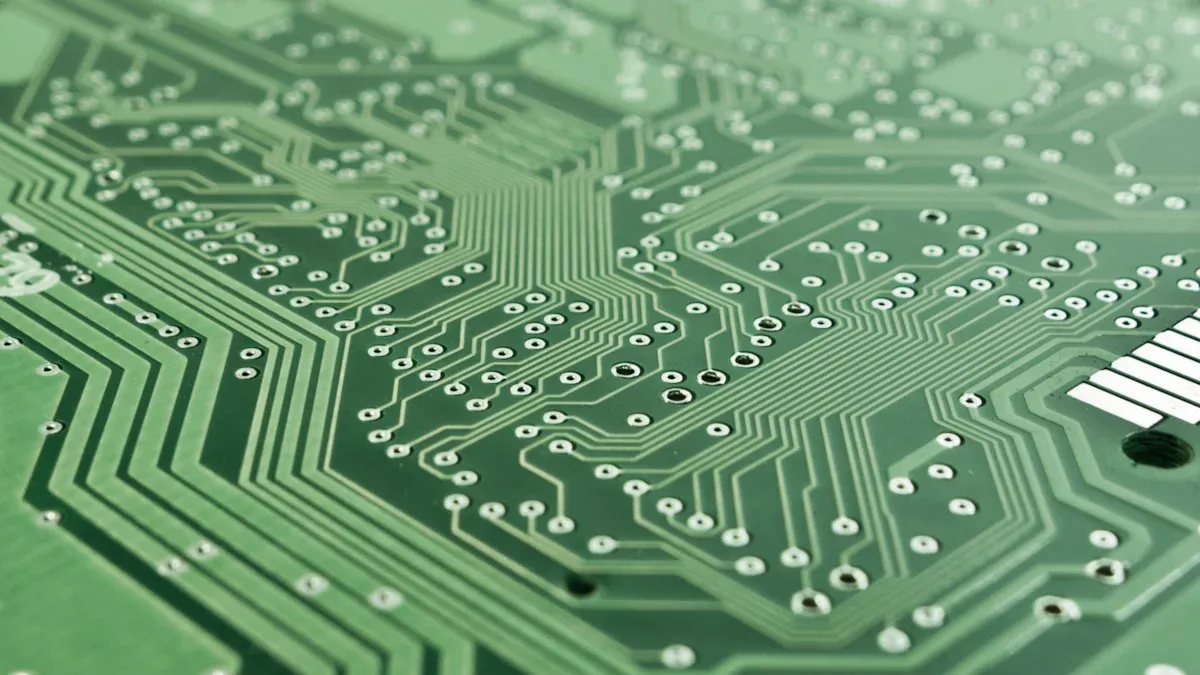
People want more flexible printed circuit board parts. This is true in many areas. These include wearables, medical devices, and IoT. These flexible printed circuit board solutions help make new products. They also make things smaller. Picking the best flexible pcb manufacturer is very important. This choice is not just about money. You need to make sure your product works well. It must be good quality. It must also be dependable for your project. This smart choice affects if your project does well. It also affects how well you compete. It also builds a good team for new tech in 2025. A great flexible pcb manufacturer changes with new tech. They give excellent flexible printed circuit board products.
Key Takeaways
Know what your project needs. Understand the technical details. Know how many PCBs you need. Know your budget. Know your timeline.
Look into manufacturers carefully. Find ones with experience. Look for strong technical skills. They should use new technology.
Check their quality control. Look for certifications. These show good products. They follow important rules.
Make a strong partnership. Good talking is key. Support after delivery matters. This helps for a long time.
Be careful of warning signs. Don’t pick manufacturers with bad talking. Avoid old equipment. Don’t trust big promises.
Know Your Project Needs
First, understand your project. Do this before looking for a flexible pcb manufacturer. Knowing your needs helps your search. It finds a good partner. This partner will meet your needs.
Tech Details
You must list exact tech details. This is for your flexible printed circuit board. Include material types. List layer count. Add trace widths. Think about where your product will work. Some products need strict rules. This is true for medical or aerospace items.
Details for High-Demand Applications (Medical/Aerospace) | |
|---|---|
Material Selection | Polyimide (thermal stability -200°C to 400°C), FR4, Rogers 4000 series |
Layer Stackup | 4-8 layers, controlled impedance traces (50/100 ohms) |
Bend Radius | Static: 10x board thickness; Dynamic: 100x board thickness |
Thermal Management | Thermal vias, heat-dissipating substrates, operating range -55°C to 125°C |
Environmental Resilience | Withstands vibrations, biocompatibility, sterilization resistance |
These details help the manufacturer. They will know what you need.
How Many and How Much
Think about how many flexible printed circuit board units you need. Do you need a few for testing? Or thousands for selling? Your flexible pcb manufacturer must handle your order size. They also need to make more as you grow. Talk about your future plans. This makes sure they can help you later.
Money and Costs
Know your budget for the flexible printed circuit board. Prices change a lot. It depends on how complex it is. It also depends on how many you order. Test runs cost more per piece. This is because of setup fees.
Price per Piece | |
|---|---|
Prototypes (5–10 pcs) | $12–$45 |
Mid-volume (100–500 pcs) | $4–$15 |
Mass production (1000+ pcs) | $0.80–$3 |
Harder flex pcb projects cost more. This includes HDI or rigid-flex. Look for fair prices. They should fit your project. Special changes also add to the cost.
Time and Delivery
Set clear times for your project. How fast do you need test parts? Flexible PCB test parts can come in 2 days. Fast testing is often 1-5 days. For big orders, it takes 3-4 weeks. Tell them your deadlines. This helps them plan for your project.
Researching Flexible PCB Manufacturers
You need to find the right flexible pcb manufacturer. Start your search online. Look in industry lists. Ask trusted friends for names. Always check partners first. Finding the right custom flexible pcb manufacturer is key.
Experience and Track Record
Look for a flexible pcb manufacturer with a long history. Their past work shows their skill. A long history means they know hard needs. They can handle different project details. This experience helps them make good products.
Technical Capabilities
A good flexible pcb manufacturer has strong tech skills. They must handle new designs.
Controlled Impedance Designs: These keep signals clear. This is for fast devices.
Laser Drilled Slots and Holes: They make tiny, exact holes. This is good for small parts.
Sculptured Flex Circuits: These have copper that changes thickness. This makes parts strong and bendy.
EMI Shielding: This stops electronic noise. It is key for wireless things.
Ultrasonic Welding: This joins parts without glue. It makes strong bonds.
Eccobond for Strain Relief: This glue protects circuits. It stops too much bending.
Specialized Connector and Pin Assembly: They can add many connectors.
Application Versatility: They work in many high-tech areas. These include planes and medical tools.
Expert Consultation for Custom Solutions: They give advice for your needs. This makes your flexible printed circuit board work best. These tech skills show a maker’s custom ability.
Latest Technology Integration
The best flexible pcb manufacturer uses new tech. This includes new ways to make things. It also includes new materials.
Stretchable Electronics: These bend and stretch like skin.
Flex-Rigid Hybrid PCBs: These mix stiff and bendy parts. They make devices smaller and better.
Laser Direct Imaging (LDI): This makes circuit patterns very exact.
Conductive Inks: These make circuits in bendy spots.
Roll-to-Roll (RTR) Lamination: This speeds up making many flexible printed circuit board layers. New materials also make things better.
Graphene: It makes circuits thinner and lighter.
Conductive Polymers: These are bendy. They work well for things you wear.
Advanced Composites: These add strength and heat proofing.
Elastomeric Substrates: These make bendy PCBs flexible.
Liquid Metal Conductors: These keep power flowing. This is true even when stretched. This shows they like new ideas and custom work.
Fast-Turn Capabilities
A good flexible pcb manufacturer offers fast service. This helps your project move fast.
Swift Design Revisions: You can change designs fast. This saves time and money.
Reduced Downtime: Production lines keep running well.
Lower Inventory Costs: You do not need to store many parts.
Adherence to Schedules: You meet your product launch dates.
Competitive Edge: You get your product to market first.
Rapid Scaling: You can make more products fast. This is if demand goes up. Fast services also speed up making things.
Accelerated Product Development: Ideas become real faster.
Reduced Time-to-Market: You fix design issues quickly.
Faster Iterations: You can test new versions often.
Efficient Flaw Identification: You find problems early.
Mitigated Production Risk: You avoid big problems later. This saves money and makes things better. A good flexible pcb manufacturer uses new tech. This is for shorter wait times. They make processes simple. This makes your flexible circuit board solutions better.
Evaluate Manufacturer Criteria
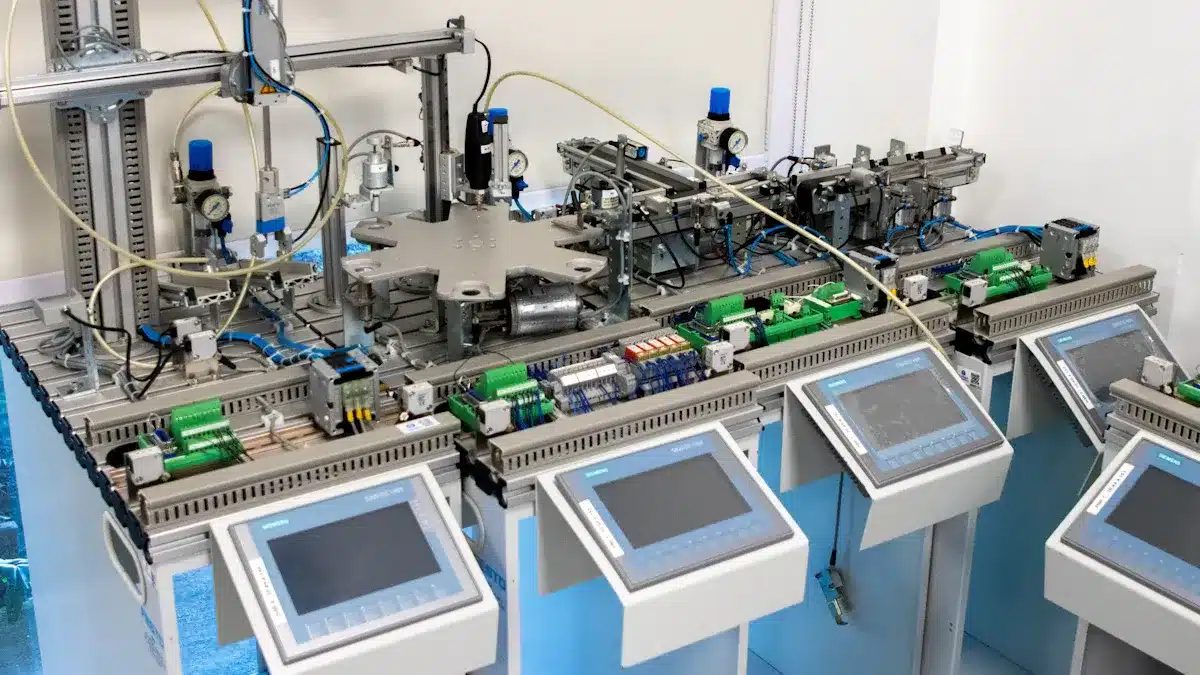
You need to look closely at several key factors. Do this when you assess potential partners. These factors help you find a flexible pcb manufacturer. One that truly meets your needs.
Quality Control and Certifications
A manufacturer’s commitment to quality control is very important. It shows you how good their products are. Look for specific certifications. These prove they follow strict industry standards.
ISO Certifications: These show a company has good quality management.
ISO 9001 is for general quality.
ISO 13485 is for medical devices.
AS9100 is for aerospace products.
UL Certifications: Underwriters Laboratories makes sure PCBs are safe. UL 796 is for flexible printed circuits.
IPC Certifications: The Institute for Printed Circuit Boards sets standards for quality and reliability.
IPC-A-600 shows visual inspection standards.
IPC-J-STD-001 covers soldering.
IPC-TM-650 is for test methods.
IPC-6013 defines requirements for flexible and rigid-flex PCBs.
IPC-2223 is for hybrid systems like wearables.
IPC-9204 focuses on flexibility and stretchability.
IPC-9257 outlines electrical testing.
Military and Defense Certifications: If your product is for the military, look for ITAR and MIL standards like MIL-PRF-55110.
A good flexible pcb manufacturer also performs many tests. These tests ensure your flexible printed circuit board works well. It also lasts long.
Peel Strength Testing: This checks how well layers stick together. It predicts if layers will separate when bent.
Heat Resistance Testing: This test makes sure the board can handle high temperatures. It prevents issues like blistering.
Thermal Cycling: This test exposes the board to extreme temperature changes. It checks solder joints and material expansion.
Electrical Continuity Testing: This ensures signals flow correctly. This is true even after stress.
Flexural Testing: This assesses durability under repeated bending. It simulates real-world use. For example, in foldable phones.
High-Temperature Aging Test: This checks how well the board performs. It does this over a long time at high temperatures.
Damp Heat Test: This test simulates high humidity and temperature. It checks for moisture resistance and corrosion.
Impedance Testing: This verifies signal integrity for high-speed devices.
These tests help ensure you receive high-quality boards.
Materials and Supply Chain
The materials used in your flexible printed circuit board are very important. Polyimide is a common and reliable material. It offers excellent thermal stability. Ask your manufacturer about their material sourcing. A strong supply chain means they get materials from trusted suppliers. This helps avoid delays. It also ensures consistent quality. You want a manufacturer who can get the right materials. They need them when they need them. This makes sure your project stays on track.
Production Capacity
Consider the manufacturer’s production capacity. Can they handle your order size? Do you need a small batch for prototypes? Or thousands for mass production? A good flexible pcb manufacturer can scale up production. This is as your needs grow. Discuss your future plans with them. This ensures they have the production capacity. It will support your long-term goals.
R&D Investment
A forward-thinking manufacturer invests in Research and Development (R&D). This shows they stay updated with the latest technology. They explore new materials and processes. This investment means they can offer advanced capabilities. They can provide innovative flexible circuit board solutions. Look for a manufacturer that shows strong technical capabilities. Also, a commitment to new ideas. This helps you stay ahead. This is true in a fast-changing market.
Sustainability and Ethics
More companies now care about how products affect the environment. They also care about society. You should too. A reliable flexible pcb manufacturer will have clear sustainability practices.
Environmental Management: Look for ISO 14001 certification. This shows they manage their environmental impact.
Hazardous Substances: They should comply with RoHS. This limits dangerous materials in electronics.
Waste Management: Ask how they handle chemical waste. Also, wastewater and scrap materials. Do they recycle copper and other materials?
Eco-friendly Processes: They might use water-based solvents. Or energy-efficient machines.
Ethical Sourcing: They should source materials responsibly. This includes using conflict-free minerals.
Fair Labor Practices: A reliable flexible pcb manufacturer treats its workers fairly. They ensure a safe workplace.
Ask for detailed reports. These should be on their energy use. Also, water use and waste. These practices show a commitment. It is to being a responsible partner.
How to Choose the Right Flexible PCB Manufacturer
You know what you need. You have looked at possible partners. Now, pick the best one. This part gives you steps. It helps you choose the right flexible pcb manufacturer. This is for your project.
Verify Qualifications
You must check what a maker says. Look for their skill. This is in flex and rigid-flex PCB making. Ask about their work. This is with special uses. These include planes, medical, or cars. Ask for past work or people to call. Make sure they have ISO 9001:2015. Also, IPC-6013 papers. Other papers are also key. These are like ISO 13485 or AS9100.
A good flexible pcb manufacturer helps with design. This is called DFM support. This includes advice on materials. They make bends right. They check layers. They look at where parts are placed. They check how wires are run. Ask about their tests. Also, their quality control capabilities. These include AOI and X-ray checks. They should do bend tests. This is for parts that move a lot. (Over 100,000 times). They also test power flow and resistance. Heat change checks are also key. Confirm how they talk. Ask about regular news. Check how fast they reply. Make sure skilled engineers can help. Ask how they handle design changes. Also, how they fix problems.
Request for Quotation (RFQ)
You need a correct price. Give full details. Missing things can slow down your price. It can also make it wrong. Include full PCB design files. These are Gerber files. Add your parts list (BOM). Give size drawings. Include full wiring plans. Give layer details. Say what materials you need. List how the surface should look. Add resistance rules.
You must also add power rules. Say what the environment is like. State what you expect for how long it lasts. List rules they must follow. Tell them how many layers. Say the smallest wire width. Also, hole size. Give material details. Add copper weight. Also, insulation traits. Explain heat control capabilities. Include IPC class rules. Add special industry papers. Mention world making rules. List safety rules for electronics.
Ask for a price breakdown. This should show direct making costs. These are raw stuff, work, and process costs. It should also show other costs. These are engineer help, quality control, tools, shipping, and moving. Give your smallest order size (MOQ). Give your expected yearly build amount. This helps the custom flexible pcb manufacturer. They will know what you need. It helps them give good pricing.
Audits and Site Visits
You should go to the maker’s place. This helps you see how they work. Check their company info. See if their business is strong. Ask how many years they have been open. Ask about who owns it. Also, if they are stable with money. Ask for names of past clients. Check their past sales to other countries. Ask if they speak your language. See if they can make different amounts.
Check their papers and rules. Look for ISO 9001, ISO 14001. Also, UL, RoHS, and REACH. Check ITAR/EAR if your project needs it. Look at their factory and how much they can make. Look at the factory spot, size, and layout. See what kinds of PCBs they make. This includes flex and rigid-flex. Check how many they make each month. Watch how they work shifts. Look at how they control the air. This includes clean rooms, heat, and wetness. Check for safe zones for static. Ask about plans to grow.
Check their engineer and design help. Look for special engineer teams. Check their DFM/DFA review capabilities. See what computer tools they use. Check their skill in resistance control. Look at layer design and HDI. Review their Gerber file process. Ask about making test parts. Check their quality check systems. Look for written quality guides and steps. Check incoming material checks. See checks during making. Also, final checks. Ask about power test coverage. Check process controls. These are like SPC, FMEA, and CAPA. Ask about tracking good parts. Also, fixing complaints. This visit helps you find a reliable flexible pcb manufacturer.
Sample and Prototyping
You need to test samples. This is a key step. Ask for flexible pcb prototypes. Get them from your chosen maker. Check these test parts well. Use AOI. This uses cameras to scan boards. It checks solder quality. It finds bad solders. It makes making better. It lowers work costs. It makes finding problems standard.
Use X-ray checks. This finds problems. Like bad solder in BGA parts. Do In-Circuit Testing. This checks power work. It makes sure parts and circuits work right. Do Mechanical Stress Testing. This checks how strong the PCB is. This is for stress during its life. Do Environmental Testing. This sees how heat and wetness affect the PCB. Do Reliability Testing. This checks how long the PCB lasts. It uses repeated stress.
Think about Flying Probe Testing (FPT). This is for flexible pcb prototypes. This is flexible. It needs no special holder. It is good for test parts. Also, small orders. It sets up fast. It checks many things. It finds power problems early. This saves time and money. It makes products better. Use Design for Test (DFT) rules. Do this when you lay out the design. Share all design data. Give it to your test helper. Use FPT as part of a bigger test plan. This helps you get high-quality boards.
Contract Negotiation
You have picked your maker. Now, talk about the contract. Make sure terms are clear. These include pricing, delivery times, and quality rules. Talk about who owns ideas. Talk about keeping secrets. A reliable flexible pcb manufacturer will be clear. They will be open to talk. Focus on building a long-term team. This includes good customer support. Also, customization choices. This makes your flexible printed circuit board project a success.
Identifying Red Flags
Be careful when you pick a flexible pcb manufacturer. Some signs tell you to avoid a company. Watch for these warning signs.
Communication Issues
Good talking is very important. A manufacturer must answer fast. If not, it is a problem. They should give clear news. They must understand your needs. If they are hard to reach, it causes delays. It can also cause mistakes. You need a partner who talks openly.
Outdated Equipment
Making flexible PCBs needs new machines. Old machines mean lower quality. It means slower work. Ask about their tech. A good manufacturer buys new tools. This helps them make good products. If their factory looks old, it is a red flag.
Lack of Certifications
Certificates show a maker follows rules. If a company lacks these, it is a big risk.
Inadequate Dynamic Bending Tests: Flexible PCBs often break. This is when bent many times. Simple tests are not enough. They miss problems like copper cracks. This means products break fast.
Lack of Sector-Specific Certifications: Your product may need special rules. Medical devices need ISO 13485. Car parts need IATF 16494. Makers without these make unsafe products.
Lack of Quality Control: No ISO9001 means no clear steps. This is for checking materials. It means no checks during making. It also means no final tests. This causes bad parts. It causes poor signal flow. This is bad for medical devices.
Inconsistency in Production: ISO9001 makes sure steps are the same. Without it, product quality changes. Some products work. Others do not. This hurts businesses. They need reliable products.
Unrealistic Promises
Be careful of promises. They sound too good to be true. This happens with delivery times. It also happens with costs.
A PCB maker might promise fast delivery. For example, “We never promise ‘2-day delivery‘ just to get an order. Then we delay later.” This means promising very fast delivery. Like two days. But they cannot meet it. Then they cause delays. This is an unrealistic promise. A custom flexible pcb manufacturer should be honest. They should say what they can do. If they promise low prices. Or super-fast delivery. Without good reasons. They might not deliver. This causes big problems. It affects your project time. It affects your budget.
Building Strong Partnerships
Build a good bond with your flexible pcb manufacturer. This is very important. This bond is more than one order. It helps your products do well for a long time.
Communication Protocols
Clear talking is key for a good bond. You need to speak openly with your supplier.
Meet often. Do this every month or three months. This helps them know what you need. You can also share ideas.
Tell them your future plans. Talk about new products. Ask how new PCB tech can help.
Listen to your PCB supplier. Ask about their company. Ask about new tools. Their advice is helpful.
Make teams together. Have people from both companies. This makes your bond stronger.
Help your supplier. Offer support when they have problems. Be okay with changing delivery times. A strong bond means helping each other.
Working with local makers helps avoid talking problems. This means no language issues. No time zone issues. Good talking makes better products. It makes better customer help.
Post-Production Support
A good flexible pcb manufacturer helps you after delivery. They should help with any problems. This includes fixing issues. It also includes making changes. Look for a partner who wants you happy for a long time. Good customer help means they stand by their products. This builds trust. It makes your bond stronger.
Future Adaptability
The best partners change with new tech. They show they can adapt. This means they keep up with industry changes.
They make very thin flexible printed circuit board designs. These have more parts. This is for small wearables.
They use green ways to make things. This includes water-based glues. It also includes lead-free soldering.
They make stretchable electronics. These circuits can stretch. They do not lose power. This helps with skin-like wearables.
They make flexible printed circuit board designs better for 5G and 6G. They use special stuff. This is for low signal loss.
They use Flexible Hybrid Electronics (FHE). This mixes bendy parts with stiff ones.
They use AI tools for design. These tools make layouts better. They guess problems.
They work with new materials. These are like LCPs and graphene. These make things work better.
They use 3D printing. This is for fast test parts. This saves time and money.
A reliable flexible pcb manufacturer puts money into these areas. They help you stay ahead.
Risk Management
A strong bond means handling risks together. Your manufacturer should have plans. This is for unexpected problems. This could be not enough materials. Or making delays. Talk about their risk plans. This keeps your projects on track. Good customer help also means they guide you through tough times. You build a bond that can handle future changes.
Picking a flexible pcb manufacturer is a big choice. It changes how good your product is. It affects how fast you sell it. It also impacts your business success. You need to look at everything. Think about their tech skills. Check their quality control. Look at their supply chain. Find a maker who plans for the future. See your flexible pcb manufacturer as a long-term friend. Good talking and growing together are key. This is for your project in 2025. It is also for new tech. Use these tips for your next flexible printed circuit board project. This makes sure your flexible printed circuit board is good. It also makes it a success.
FAQ
What is a flexible PCB?
A flexible PCB is a circuit board. You can bend or fold it. Makers build these boards. They use bendy plastic. They use things like polyimide. This lets you put electronics. They fit in small spots. It also makes things lighter. It cuts down on building costs.
Why should I choose a flexible PCB over a rigid one?
Pick a flexible PCB for many reasons. They let you design more freely. You can bend them into small spots. They also need fewer connectors. This makes them more reliable. Flexible PCBs are light and thin. They are great for small devices.
How important are certifications for a flexible PCB manufacturer?
Certifications are very important. They show a maker meets strict rules. For example, ISO 9001 means good quality. IPC papers prove products are reliable. These papers give you trust. They show good work. They make sure you get good boards.
Can a manufacturer help with my design?
Yes, many makers help with design. They offer DFM support. This helps you make your PCB better. They make sure it is easy to build. It also saves money. This teamwork stops problems early.
See Also
Selecting the Optimal PCB Fabrication Partner for Your Project’s Success
Finding the Ideal PCB Prototype Manufacturer for Your Development Goals
Choosing the Premier PCBA Manufacturer to Meet Your Business Demands
Picking the Top PCBA Factory for Your Specific Custom Production
Securing the Best PCB Contract Manufacturer for Enduring Business Growth